
Remember sitting at a sunlit table in Morocco, enjoying a Cornes de Gazelle? It was still warm from the oven. The pastry’s crescent shape felt soft in my hand, with a delicate crunch that revealed a soft almond heart. It was fragrant with orange blossom water.
This moment taught me the value of these pastries. They’re more than just food; they’re a way to share joy, connect, and taste history in every bite.
Gazelle Horns are not just Moroccan pastries. They’re a part of the culture’s fabric. Baked with love in bakeries from Fez to Marrakech, they carry a story of celebration. Today, I want to share that story with you.
Imagine the smell of almond and honey in a kitchen. The dough is shaped like a gazelle’s curve. Whether baking at home or enjoying mint tea with them, these pastries open a world where every ingredient has a story. Let’s discover how Cornes de Gazelle became a symbol of togetherness, one golden crescent at a time.
FAQ
What are Cornes de Gazelle?
Cornes de Gazelle, or Gazelle Horns, are traditional Moroccan pastries. They look like delicate crescents. They have a sweet almond filling, aromatic spices, and orange blossom water.
How did Cornes de Gazelle get their name?
The name “Cornes de Gazelle” means “Gazelle Horns” in French. It reflects their elegant shape, like a gazelle’s horns. This animal symbolizes beauty and elegance in Moroccan culture.
What is the cultural significance of Cornes de Gazelle?
These pastries are important in Moroccan hospitality and celebrations. They are served at weddings, Eid, and family gatherings. They symbolize joy, welcome, and honor to guests.
What key ingredients make up Cornes de Gazelle?
The main ingredient is finely ground almonds. They are mixed with spices like cinnamon and sometimes ginger. Orange blossom water adds a unique flavor, and butter or oil enhance richness.
What traditional methods are used to prepare Cornes de Gazelle?
Making these pastries involves a delicate dough and a smooth almond filling. They are shaped by hand to keep their crescent form. This process requires patience and practice.
Are there modern interpretations of Cornes de Gazelle?
Yes, bakers have made new versions with flavors like matcha, rose water, or other nuts. These modern twists keep the original’s essence while adding exciting new elements.
Where can I find authentic Cornes de Gazelle?
You can find them in local bakeries and pastry shops in Moroccan or North African communities. Reputable online retailers and Middle Eastern markets also carry them.
What beverages pair well with Cornes de Gazelle?
Moroccan mint tea is the classic pairing. It complements the pastries’ sweetness well. Arabic coffee or sweet Moroccan wine can also enhance the experience.
What is the nutritional profile of Cornes de Gazelle?
A serving has 300-600 calories, mostly from carbs and healthy fats. Almonds add protein, fiber, vitamins, and antioxidants. This makes them a nutritious treat compared to many sweets.
When are Cornes de Gazelle typically served?
They are served at special occasions like weddings, Eid, and family gatherings. Their elegant presentation and festive spirit add to the celebration.
How should I store Cornes de Gazelle to maintain freshness?
Store them in an airtight container at room temperature for up to a week. For longer storage, freeze them in a single layer and then in an airtight container. They can last up to three months.
Can beginners make Cornes de Gazelle at home?
Absolutely! Beginners can make these pastries with patience and practice. Essential tools and a simple recipe make it enjoyable and achievable.
How have Cornes de Gazelle influenced global cuisine?
These pastries have gone beyond Moroccan culture. They are in art and literature and inspire adaptations worldwide. They bridge culinary traditions and connect diverse communities.
What Are Cornes de Gazelle?
Walking through a Moroccan souk, you’ll catch the scent of orange blossom water. This is where Cornes de Gazelle starts. These crescent-shaped pastries are more than a traditional dessert. They connect us to North African cuisine’s heart. Their delicate dough holds a sweet almond heart, telling stories of centuries past.
The Origin of the Name
The name evokes the desert’s beauty. In French, “Cornes de Gazelle” means “gazelle horns.” It reflects the pastry’s shape, mirroring the animal’s grace. Locally, they’re called Kaab el Ghazal, symbolizing grace and hospitality in Moroccan culture.
A Brief History
These pastries have a rich history in Morocco. Berber techniques mixed with Andalusian flair after the 15th century. French influence later shaped their delicate form. Today, they celebrate cross-cultural exchange.
| Ingredient | Historical Influence |
|---|---|
| Almond paste | Berber farming traditions |
| Orange blossom water | Arab culinary arts |
| Pastry shaping | French baking methods |
Cultural Significance
At family weddings or Eid celebrations, these pastries are treasured. They’re enjoyed with mint tea, balancing its bitterness. This ritual is as comforting as morning coffee.
- Served during Eid feasts
- Gifted to honored guests
- Symbol of communal joy
Every bite honors the hands that made them. Whether in a Marrakech bakery or a home kitchen. These traditional dessert are more than just food. They’re a piece of home.
Key Ingredients in Cornes de Gazelle
Every bite of almond filled pastry tells a story of tradition and care. These sweet treats use a few key ingredients. They turn simple dough and filling into a feast for the senses. Let’s dive into what makes these crescent-shaped delights unforgettable.
Blanched almonds are at the heart of the recipe. When mixed with sugar and spices, they become a creamy filling. Using finely ground almonds is key for that smooth texture. A simple test: rub the filling between your fingers—it should feel like cloud-soft cream. This recipe shows how almond quality is crucial.
Almonds: The Star Ingredient
Blanched almonds are the star of the filling. But their journey begins long before mixing. A classic recipe uses 150g almonds for 50 pastries, creating a nutty base. Grinding almonds in small batches helps avoid oiliness. Some bakers add a pinch of butter for extra richness, enhancing that sweet treats flavor.
| Ingredient | Role |
|---|---|
| Blanched almonds | Creates the filling’s creamy base |
| Orange blossom water | Delicate floral perfume |
| Cinnamon | Adds warmth without overpowering |
Flavorful Spices
- Cinnamon: A whisper of warmth that balances sugar’s sweetness.
- Orange zest (in some coastal recipes): a citrus kiss to lift the aroma.
The Importance of Orange Blossom Water
One teaspoon of this floral water is a game-changer. It adds a fragrance that lingers like a Moroccan garden in bloom. Skipping it once made the pastries feel flat—proof of its magic.
Together, these ingredients create a symphony of flavors. Almonds anchor the taste, spices add depth, and orange blossom water brings it all together. That’s how tradition turns into a heavenly bite.
The Traditional Preparation Methods
Making delicious baked goods like Cornes de Gazelle is an art. It needs patience and care. I’ve learned that every fold and roll has a story of tradition. Here’s how to make this Moroccan classic:
“The dough is the heart—never rush its rest.” – A lesson passed down through generations
Step-by-Step Recipe
- Mix dry ingredients: Combine flour, sugar, salt, and a pinch of orange blossom water in a bowl.
- Blend butter: Work in softened butter until the mixture resembles coarse crumbs.
- Form the dough: Add warm water gradually, kneading until smooth. Rest for 30 minutes—this step is non-negotiable.
- Shape & fill: Roll dough into thin rounds, spoon almond filling, fold into crescents, and seal edges gently.
- Bake gently: Bake at 350°F (175°C) until golden—about 15–20 minutes.
Common Mistakes to Avoid
- Rushing the dough rest—this weakens the crust.
- Overfilling—this causes leaks during baking.
- Ignoring the oven’s whisper: Too high a temperature burns the edges.
Tips for Perfecting the Dough
My favorite hack? Chill the dough briefly if it’s too sticky—it firms up without losing tenderness. For the filling, grind almonds finely to avoid gritty textures. And remember, the thinnest layers yield the most delicate Moroccan pastries.
These steps turn simple ingredients into something extraordinary—a taste of tradition that’s worth every moment spent in the kitchen.
Modern Twists on Cornes de Gazelle
Tradition is magical, but recipes evolve. Today, bakers are reimagining cornes de gazelle. They turn these crescent-shaped sweet treats into creative canvases.
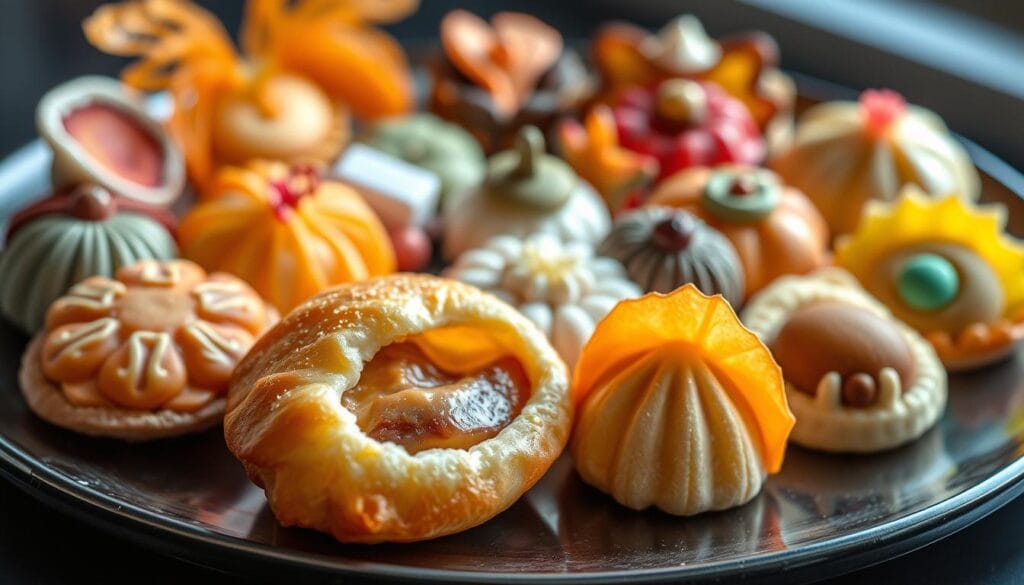
| Variation | Key Ingredient | Flavor Profile |
|---|---|---|
| Matcha Fusion | Matcha powder | Earthy & delicate |
| Rosewater Surprise | Rosewater syrup | Floral & nuanced |
| Dark Chocolate Edges | Dark chocolate glaze | Bittersweet contrast |
Fusion Variations
- Pairing with Middle Eastern halva or Indian cardamom
- Japanese matcha-dusted versions in NYC’s fusion bakeries
- Singaporean renditions blending coconut milk into dough
Creative Fillings and Flavors
Fillings now span the globe:
- Pistachio-almond blends
- Fig or date chunks for natural sweetness
- Dark chocolate swirls for bold contrast
“The beauty is balancing tradition with curiosity,” says Chef Lila Benali of Tangier’s Patisserie L’Orient. “These exotic pastries should spark joy, not just nostalgia.”
From Marrakech to Manhattan, these updates keep the spirit alive. They invite new fans into this sweet story.
Where to Find Authentic Cornes de Gazelle
Looking for the crunchy and almond-rich taste of Cornes de Gazelle? We’ll show you where to find these treats easily. North African cuisine is all about these sweet pastries, so it’s important to know where to look.
| Option | Details | Best For |
|---|---|---|
| Local Bakeries & Pastry Shops | Seek neighborhoods with Moroccan or Algerian communities. Family-run shops often use recipes spanning generations. | Homemade-style, seasonal specials |
| Online Retailers | We recommend trusted platforms shipping to the US—check reviews for those using traditional ingredients like almond meal and orange blossom water. Visit halal dessert guides for sourcing tips. | Convenience, nationwide access |
| Specialty Markets | Middle Eastern grocery stores often carry frozen versions. Look for brands listing 2 cups almond meal and 1/4 tsp cinnamon in their ingredients. | Year-round availability |
Choose wisely. True Cornes de Gazelle should smell of orange blossom and feel slightly firm—never overly sugary. Their crescent shape, weighing about 35g each, hints at proper resting time. If baking at home later, ensure the dough rests 30 minutes before shaping.
Pairing Suggestions for Cornes de Gazelle
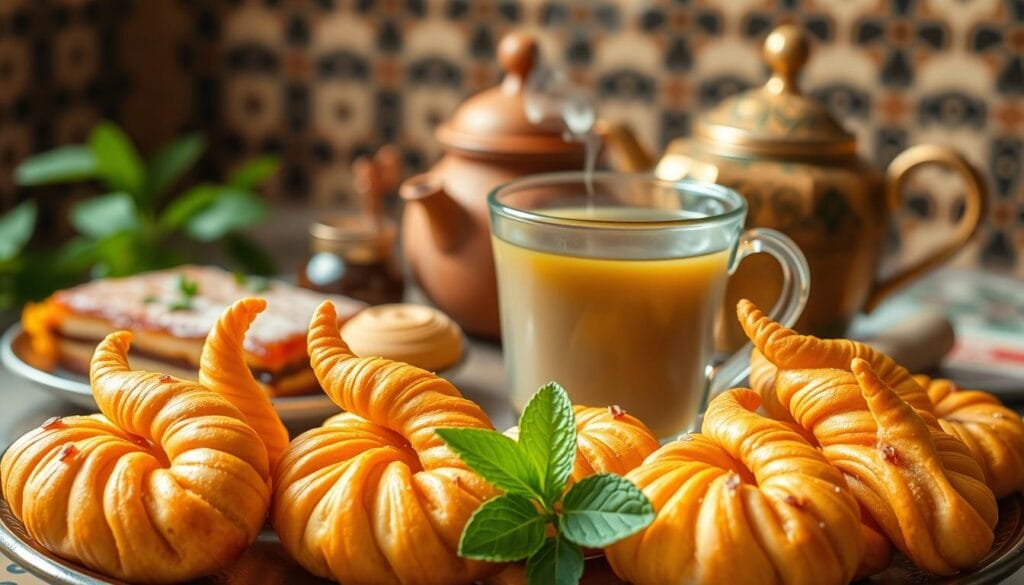
Pairing Cornes de Gazelle thoughtfully enhances their delicate flavors, a practice rooted in Moroccan tradition. These Traditional dessert creations shine when paired with the right beverages and companions. My journey in Morocco taught me that every bite of these Moroccan pastries deserves a perfect match. Let’s explore the art of pairing.
Ideal Beverages
Start with the classic: Moroccan mint tea—its sweet, herbaceous notes balance the nutty sweetness of the cookies. For coffee lovers, Arabic coffee with cardamom offers a bold contrast. Sip a glass of sweet Moroccan wine or sherry for a luxurious touch.
- Moroccan mint tea: The “Berber whiskey” releases the orange blossom aroma.
- Arabic coffee: Cardamom-spiced and slightly bitter.
- White wine: Light and floral to match the pastries’ delicate dough.
Perfect Dessert Companions
Arrange a spread with fresh fruits like figs slices drizzled with honey and cinnamon. Dates and orange segments echo the pastries’ flavors without overwhelming them. For a festive touch, try these pairings:
| Pairing | Why It Works |
|---|---|
| Figs & Honey | Sweetness that mirrors the almond filling |
| Orange Segments | Light citrus contrasts the rich dough |
| Cardamom Coffee | Warmth complements the pastries’ spice |
When sharing these treasures, remember: simplicity is key. Their intricate layers of flavor deserve space to shine. Whether enjoyed with a steaming cup or a drizzle of honey, these pairings celebrate tradition while inviting joy into every moment.
The Nutritional Profile of Cornes de Gazelle
Enjoying a classic almond filled pastry is more than a sweet treat. It’s a mix of tradition and health. I love these sweet treats because they honor history and are good for us. Let’s see why they’re both tasty and healthy.
- Calories: 603kcal
- Protein: 14g
- Fiber: 6g
- Healthy fats: 22g of polyunsaturated fats
Caloric Breakdown
The calories come from good ingredients. The dough has carbs from flour. Almond paste adds healthy fats. They’re rich but the fiber and protein help control sugar levels.
Health Benefits of Almonds
Almonds are a highlight in these pastries. Each bite gives you:
- Vitamin E for immunity
- Magnesium for energy
- Plant-based protein to keep you full longer
Their fats are good for your heart. So, every bite is a smart choice.
We enjoy these Moroccan treats with care. A small portion lets us celebrate tradition without too much. Whether with friends or alone, they show that food can be both nourishing and enjoyable.
Cornes de Gazelle: A Festive Treat
There’s a special magic in traditional dessert like Cornes de Gazelle. It turns simple moments into big celebrations. These exotic pastries are more than just food; they’re a way to share joy.
I’ve seen them bring families together at Eid feasts, weddings, and reunions. They turn tables into beautiful displays of tradition.
“In Moroccan culture, these crescent shapes whisper promises of abundance and togetherness,” says a Marseille baker at La Rose de Tunis, where they’ve crafted these treats for generations.
Popular Occasions for Serving
- Weddings: Crescent shapes symbolize new beginnings, often arranged with rose petals.
- Eid Celebrations: Served with mint tea during iftar meals, consumption rises 30% during Ramadan.
- Baby Naming Ceremonies: Families like mine often include them as tiny tokens of blessings.
Traditional vs. Modern Presentations
| Traditional | Modern |
|---|---|
| Arranged on copper platters with orange flowers | Individually wrapped in silk paper for gifts |
| Served with bitter green tea | Paired with dark chocolate or lavender syrup |
| Celebrations in Marrakech | Fusion tables at Aix-en-Provence’s Délices Pâtisserie |
Whether made with love by a grandmother or sold in a fancy box, these pastries are always warm. We keep tradition alive while adding our own twist. Celebration is a language we all understand.
How to Store Cornes de Gazelle
Keeping the magic of Gazelle Horns alive starts with careful storage. As a guardian of your tasty baked goods, here’s how to maintain their flaky layers and almond heart:
- Store fresh pastries in an airtight container lined with parchment paper. This protects them from moisture and keeps their shape.
- Add a small slice of bread to the container. It absorbs excess humidity, preventing sogginess—like a gentle guardian for your treats.
- For longer preservation, freeze individually wrapped portions. They’ll stay crisp for up to three months, ready to surprise you later.
When freezing, arrange Gazelle Horns on a tray first. Let them harden separately before piling into a labeled bag. Thaw them overnight in the fridge, then warm briefly at 250°F for a freshly baked glow.
“A well-stored Cornes de Gazelle is a promise of joy for days—or months—to come.”
Always let them cool fully before storing. Rushing this step risks steam softening their crisp edges. And remember: these are delicate treasures. Handle with care, and they’ll reward you with their sweet, nutty embrace long after baking day.
Making Cornes de Gazelle at Home
Bringing Cornes de Gazelle into your kitchen is easier than you think. First, gather the right tools to make these pastries a success. Here’s what you need:
- A sturdy rolling pin for shaping the dough paper-thin
- Parchment paper to prevent sticking
- A sharp knife or pastry wheel for clean crescent shapes
- A piping bag (optional but helpful for filling)
“The filling’s magic lies in its balance: 2 cups almond meal to ¾ cup powdered sugar creates that iconic richness.”
Here’s a simple Moroccan pastries recipe to help you get started:
- In a bowl, combine 2 cups flour, ¼ tsp salt, ¼ tsp cinnamon, and ¼ tsp orange blossom water.
- Slowly mix in ¼ cup oil and ½ cup water until dough forms. Rest for 30 minutes.
- Roll dough ultra-thin, then cut into ovals. Fill each with almond mixture—mix 2 cups almond meal, ¾ cup sugar, 1 tbsp each of orange blossom water and melted butter.
- Shape into horns, brush with honey syrup (1 cup honey + 2 tbsp orange blossom water/lemon juice), and bake at 350°F for 15-20 minutes.
Remember, it’s okay if your first attempts don’t turn out perfectly. My first tries were a bit wonky, but they were delicious! Present them like a Moroccan feast, or enjoy with mint tea. Each bite connects you to a rich tradition, no matter how your crescents look. The kitchen is waiting for you—start baking and let the aroma of orange blossom water guide you.
The Cultural Impact of Cornes de Gazelle
Cornes de Gazelle are more than just a dessert. They tell stories of tradition and connection. These crescent-shaped treats, known as Gazelle Horns, carry centuries of history in each bite. Their journey from Moroccan kitchens to the world shows how food can bring people together.
Representation in Art and Literature
In Moroccan art, the pastry’s shape is seen in tilework and textiles. It symbolizes elegance and patience. Poets like Malika Mokeddem have written about them, seeing their making as acts of love.
Each fold of dough reflects the care in family recipes passed down through generations.
Global Appreciation and Adaptation
Today, Gazelle Horns are enjoyed worldwide. Parisian patisseries and New York bakeries like Maman’s Kitchen have their own versions. They mix local flavors into these multicultural treats.
Online searches for these exotic pastries have jumped 40% in two years. This shows growing interest in Moroccan culture. Yet, their essence remains the same—almond sweetness, floral hints, and a shape that stays true.
Whether enjoyed in Marrakech or Chicago, Cornes de Gazelle connect us through food. They’re not just treats but bridges between traditions. They invite us to enjoy stories baked into every golden crescent.
We are interested in your feedback
Catchy recipe
Sounds delicious
Original idea
Yummy
Healty and nutritious
Well done
Interesting
Just good